
Performance You Can Count On
Consistent nutrient availability across all soil types
Soileos delivers crop available micronutrients across all soil types. Backed by real world results from 350+ trials, Soileos helps growers achieve consistent performance where traditional products often struggle.
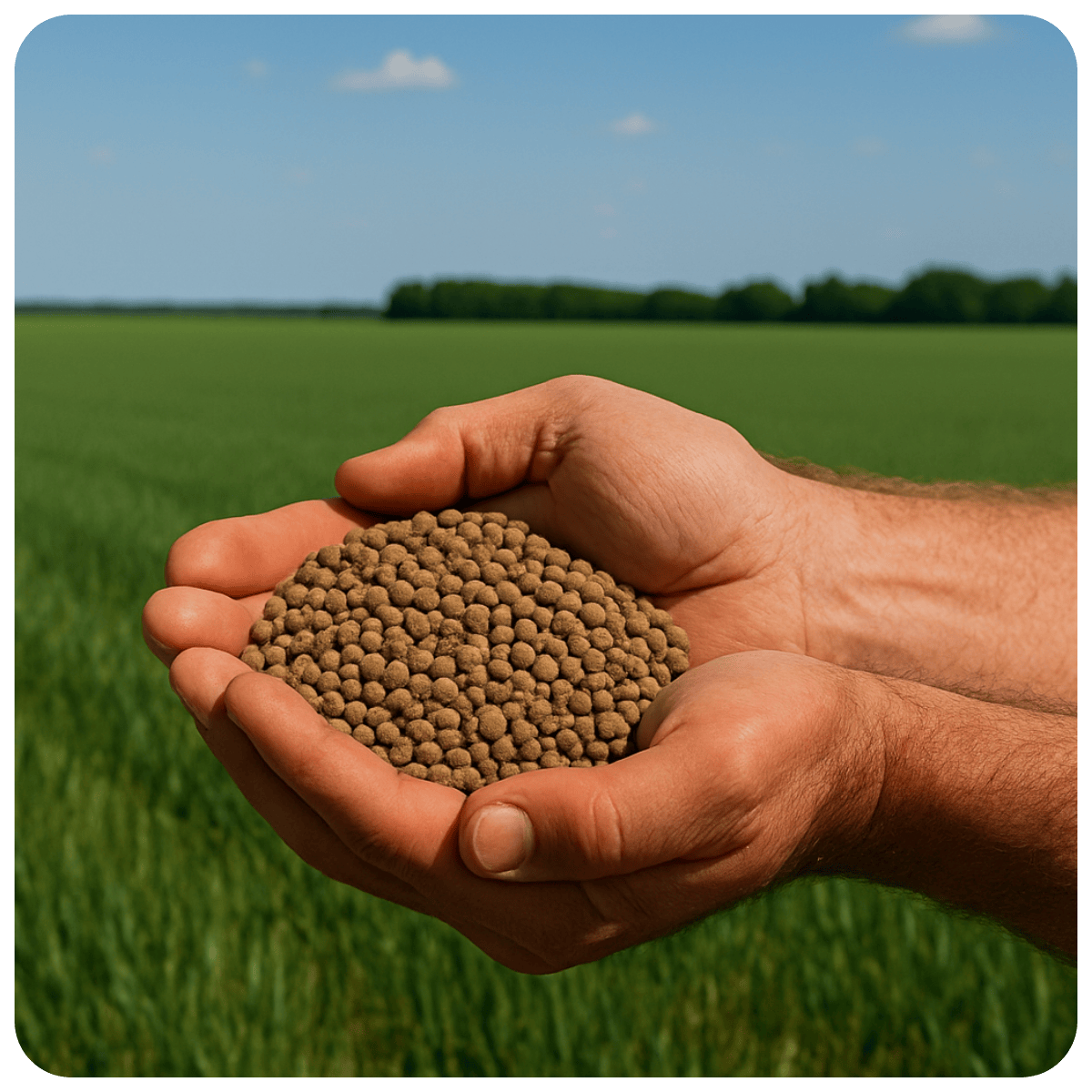
The Science Behind Reliable Performance
Soileos uses a cellulose based delivery system designed to work with soil biology. Soileos resists tie-up, minimizes leaching, mineralizes steadily, and maintains nutrient availability through microbial activity. This helps crops access essential nutrients across all soil types.
Why Soil Conditions Limit Nutrient Availability
Soil challenges reduce nutrient availability, even in well-managed crop nutrition programs.
Soileos is designed to overcome these limitations through its natural precision: nutrients stay anchored in the soil and become available as the crop needs them. This helps ensure essential nutrition across a wide range of soil environments.

High pH Soils
Can tie nutrients up, making them unavailable when crops need them.
Low pH Soils
Can make nutrients too soluble, causing imbalances.
Sandy Soils
Lose nutrients quickly because they can’t hold them in place.
Clay Soils
Fix nutrients tightly, limiting plant access.
High Organic Matter
Can tie-up nutrients making them difficult for crops to access.
Low Organic Matter
Slows nutrient cycling, reducing natural availability.
See How Soileos Performs in Your Soil
Explore real-world performance data from fields like yours. Browse regional trial results, compare outcomes across soil types, and see how Soileos delivers consistent nutrient availability in real cropping environments.
Farming Outside the Sweet Spot
Most acres aren’t farmed in perfect conditions. Soil pH shifts, textures vary, and organic matter changes how nutrients behave. Traditional salt-based fertilizers depend on narrow “sweet spot” conditions to work and when those conditions aren’t met, nutrients lock up, leach away, or burn seed. In this session, Peter Gross and Jason McNamee break down why chemistry struggles in real-world soils and how a biology-driven approach changes the outcome.
What You’ll Learn
-
Why pH variability limits boron and zinc availability
-
How Soileos delivers steadier nutrition across real-world soils
-
What field results reveal about performance and ROI
-
Practical insights you can apply this season

How does Soileos actually release nutrients?
Soileos releases nutrients through natural microbial activity. As soil microbes interact with the cellulose in Soileos, nutrients become available steadily over time, helping align supply with crop demand without relying on solubility or harsh soil chemistry.
Will Soileos work in my soil type?
Yes. Soileos is designed to perform across a wide range of soil conditions—including high pH, low pH, sandy soils, clay-rich areas, and fields with variable organic matter. Its nutrients stay anchored and available, even when soil chemistry would normally restrict crop uptake.
Can Soileos be blended or applied with my current fertilizer program?
Soileos is a clean, dry granular product that blends easily with common dry fertilizers and is seed-safe for in-furrow use. It fits easily into standard operations without requiring new equipment or changes to application timing.
What crops benefit most from Soileos?
Soileos performs well across cereals, oilseeds, pulses, and other row crops. Trials show consistent improvements in nutrient availability and crop vigor, especially in regions where zinc, iron, or copper deficiencies are common.
How is Soileos different from traditional micronutrient fertilizers?
Most micronutrient sources rely on soil chemistry to become available and can tie up, leach, or become uneven across a field. Soileos uses a biology-driven release mechanism that keeps nutrients in the soil, minimizes loss, and provides a steadier supply throughout the season.
Talk to a Soileos Rep
Real Support for Real Soil Conditions
When you're ready, we're here to help. Get support tailored to your fields, including local trial results and guidance on integrating Soileos into your crop nutrition plan.